
PUTA MANIFESTO
UNIVERSITY PROJECT | 2024
ADOBE ILLUSTRATOR
ADOBE PHOTOSHOP
FIGMA
CREDITS: Beatriz Farias, Isa Goulart, Mariana Santos Silva,
Mariana Silva & Marta Caeiro
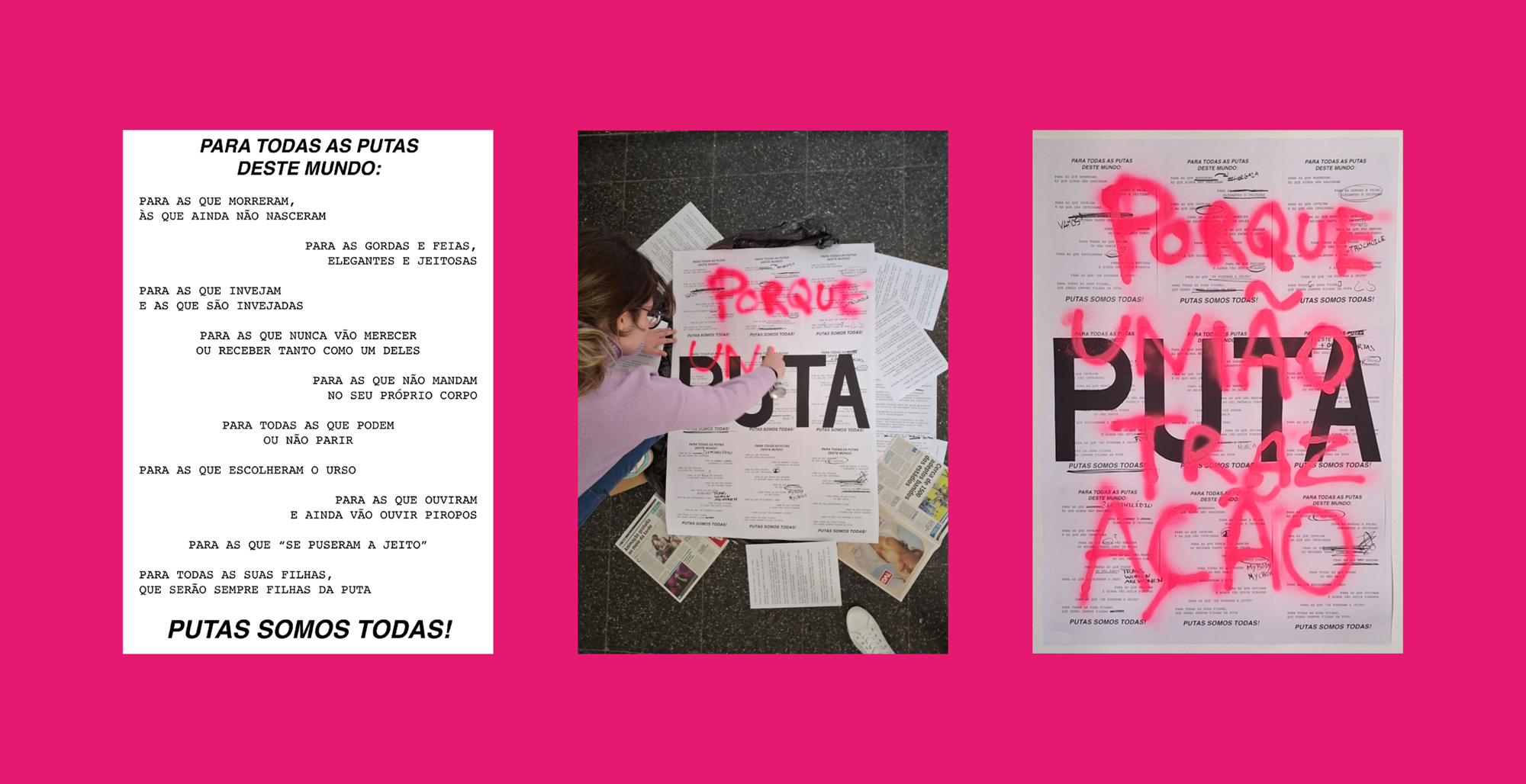
The PUTA collective was a group project developed as a final proposal for the first year of university. PUTA is a feminist collective, and in Portuguese it makes use of a pejorative word for the female sex, turning it into an acronym, “Porque União Traz Ação”, which translates to “Because Union Brings Action” and is used as a symbol of empowerment and resistance in the feminist struggle. The first part of this project was to create a manifesto and a poster that reflected the collective’s feminist ideas. In drafting the manifesto, we tried to write something that would catch the eye with its irony, a poem with raw and strong words, trying to fundamentally unite women. The poster consisted of several leaflets from the collective’s manifesto glued to an A2 support. The leaflets are crossed out several times throughout the poster, with the idea of contesting some of the words written in the manifesto. On top of the leaflets is the name of the collective and what it stands for. For this phase, mostly analog media and methods were used.
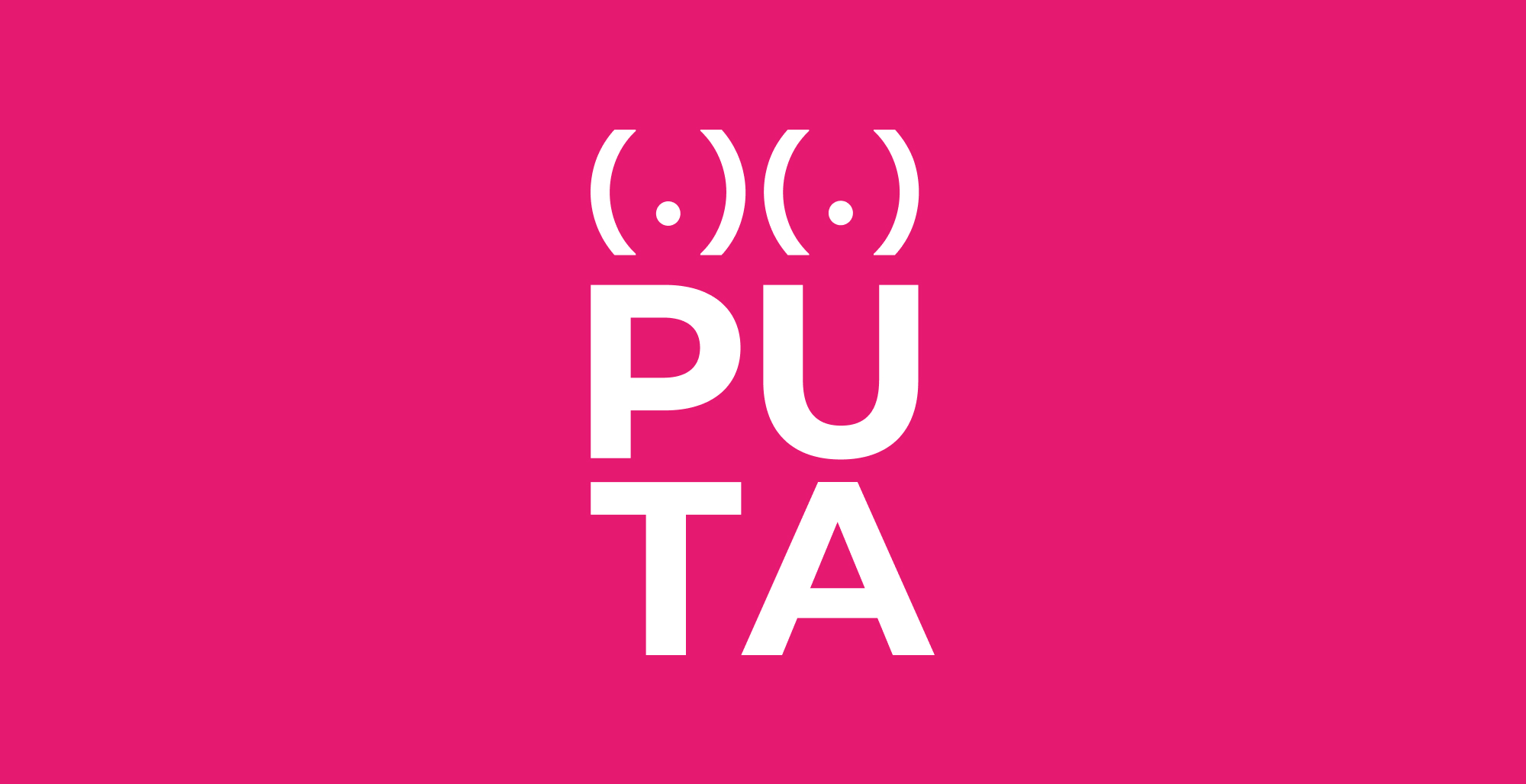
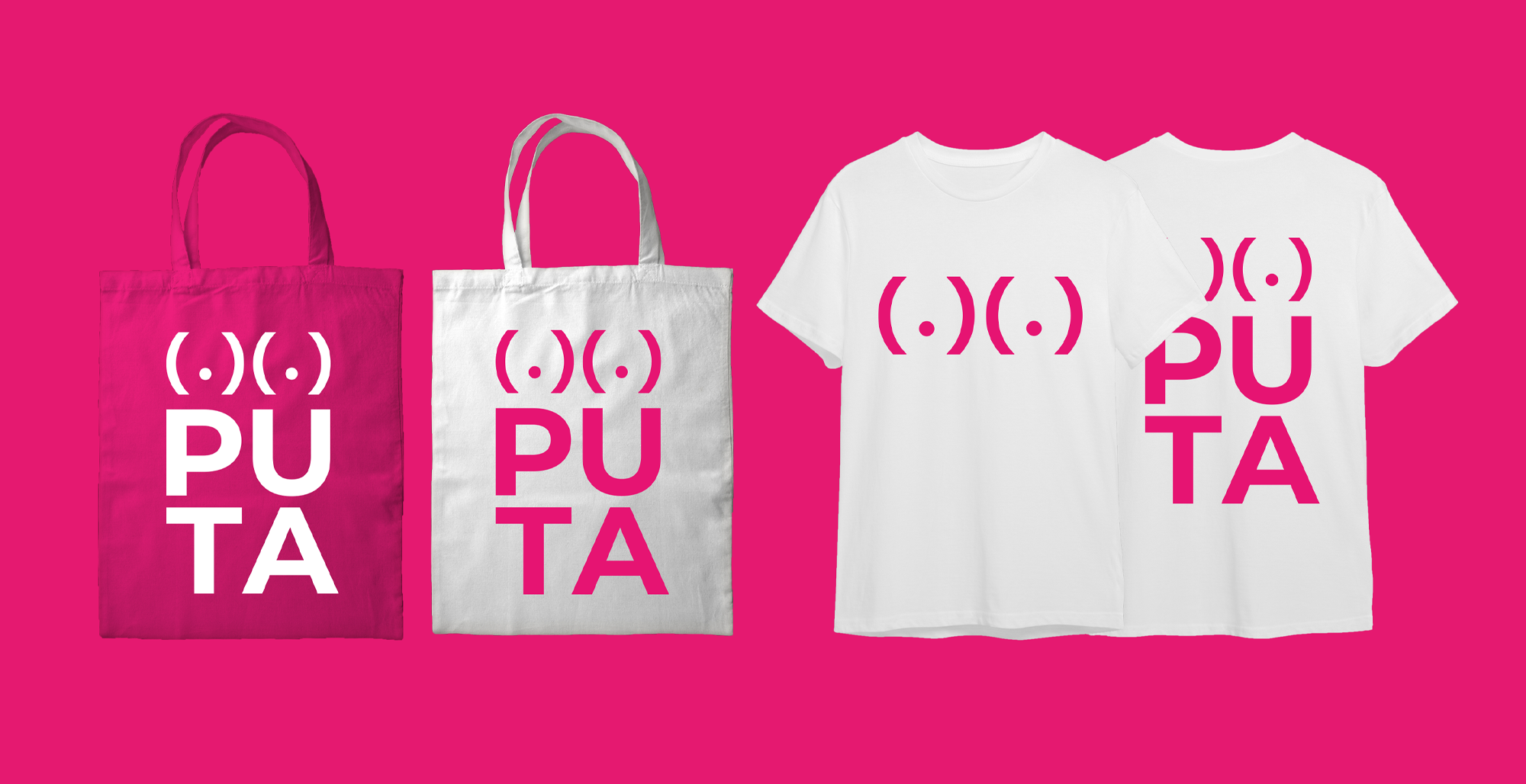
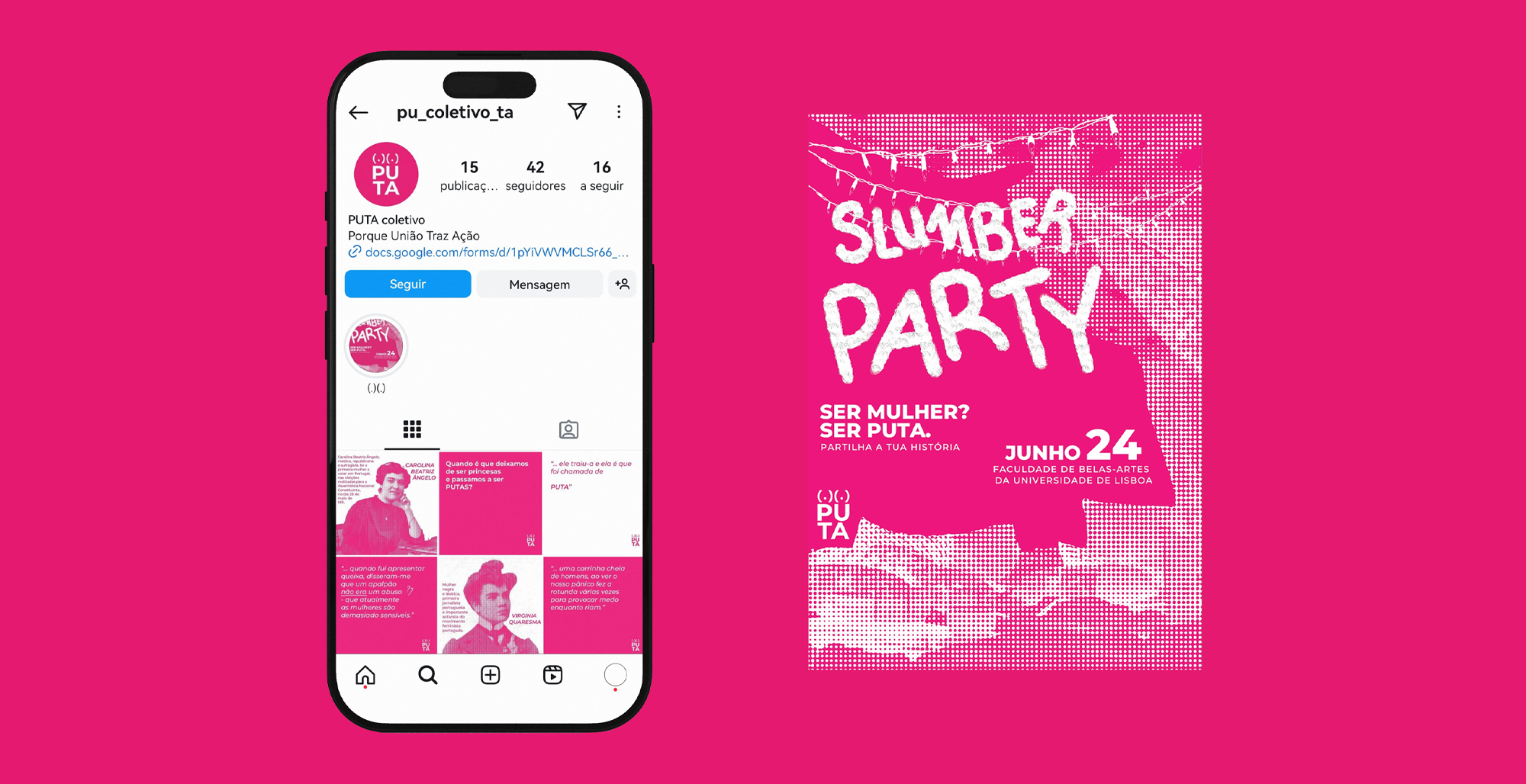
The second stage involved creating a visual language. The collective’s symbol is made up of two main elements, the (.)(.) icons, which are intended to represent breasts, and the word PUTA. Once again, a deliberate provocative language was sought, intended to create reactions. An Instagram page was also created where the collective’s ideals could be spread. The sharing of stories of important female figures, the sharing of testimonies from real women about the female experience, the creation of merch with the collective’s symbol and the dissemination of a form that allowed any woman the chance to have her voice be heard.
The final moment was a performance in which the previously collected testimonies were displayed and read out to an audience, with the aim of spreading the truths about the female experience. The installation was based on the antagonism between the figure of the princess and the “whore” - it was intended to raise the question of when “did girls stop being princesses and become whores?” To do this, a cozy place was built with sheets and cushions, almost like a slumber party, where in the intimacy of innocence, serious subjects were discussed and the real essence of the female experience was exposed.